Yu-ichi Inoue: Bell Tolls from Japan, Tsinghua University
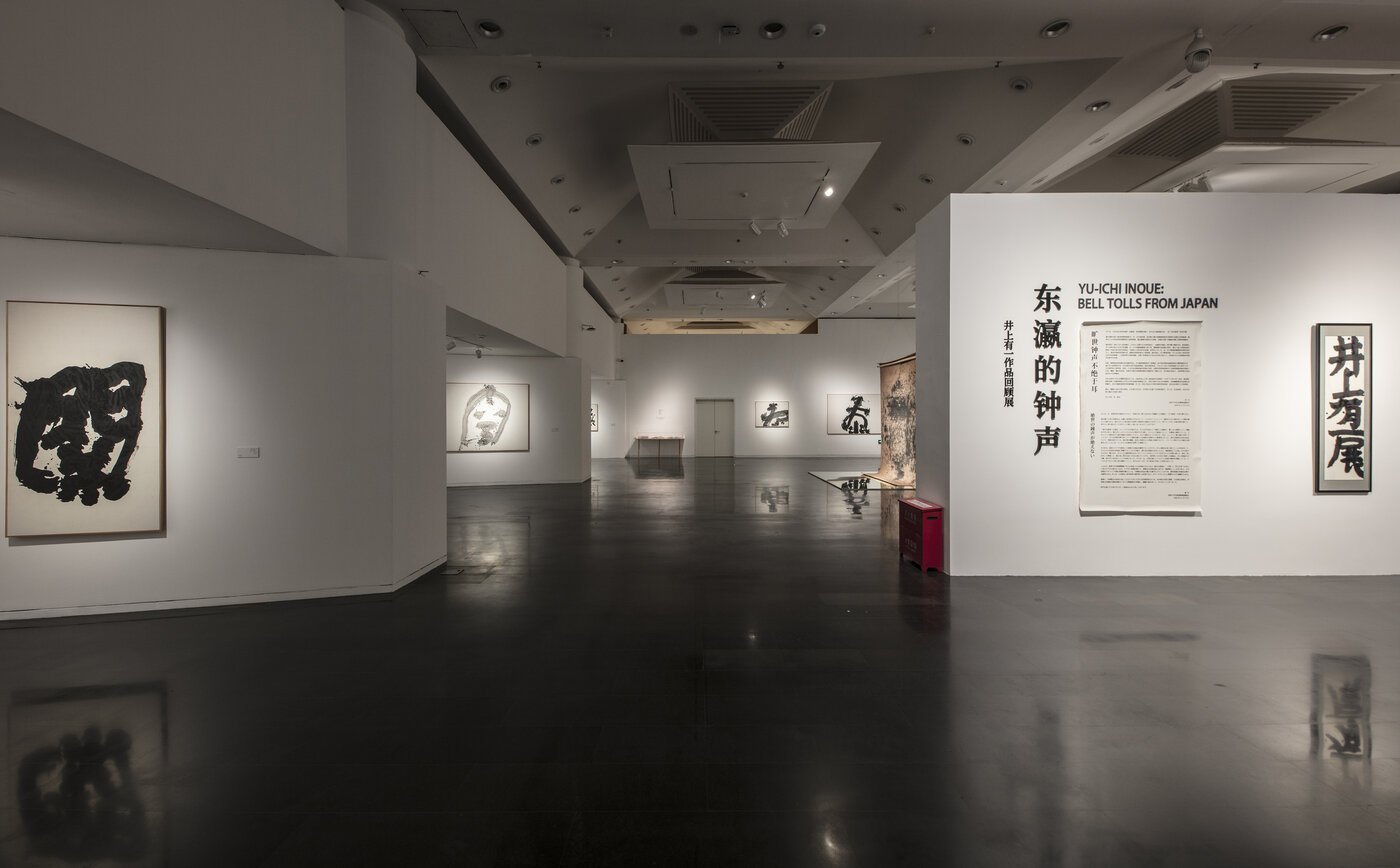
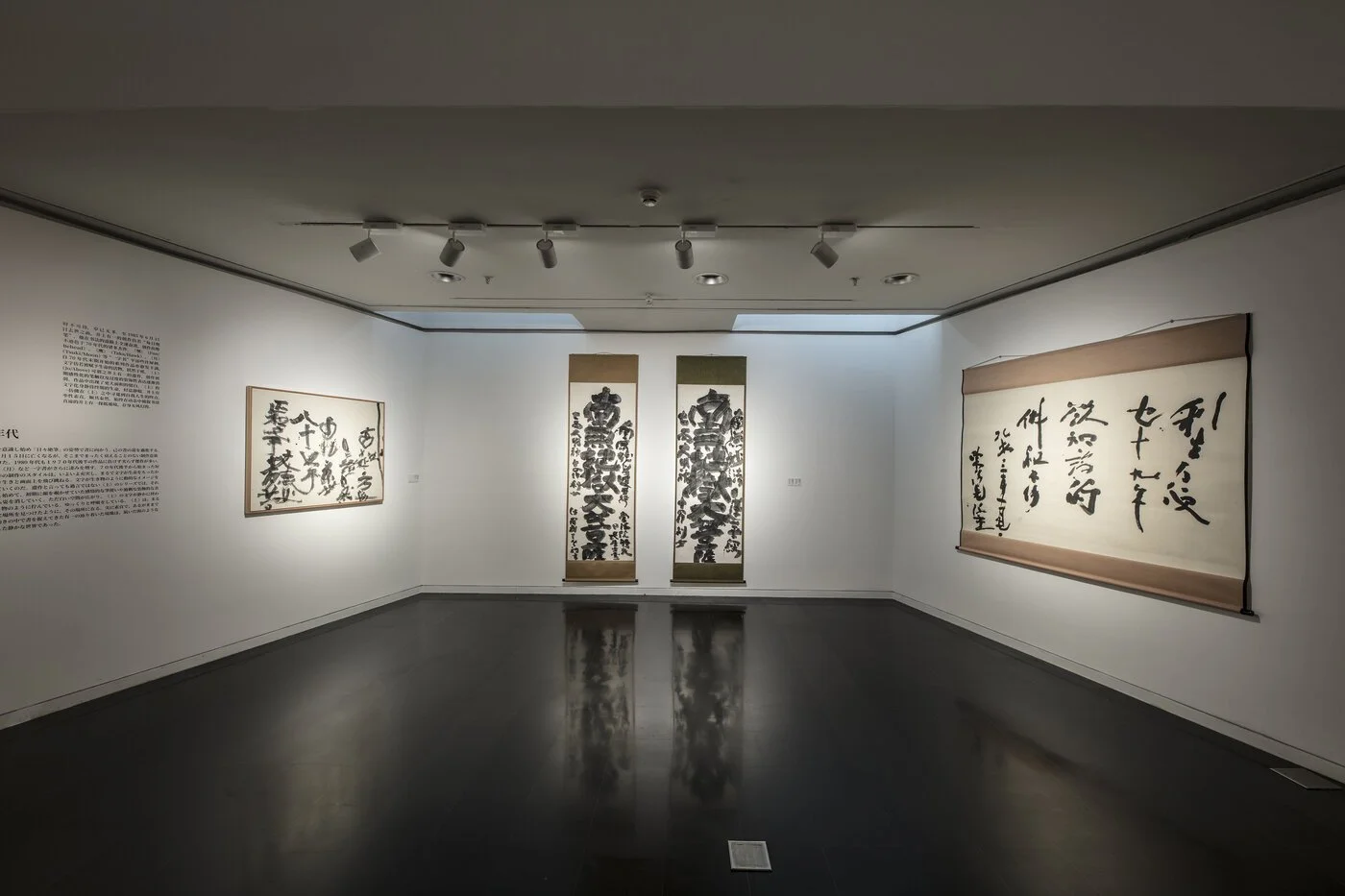
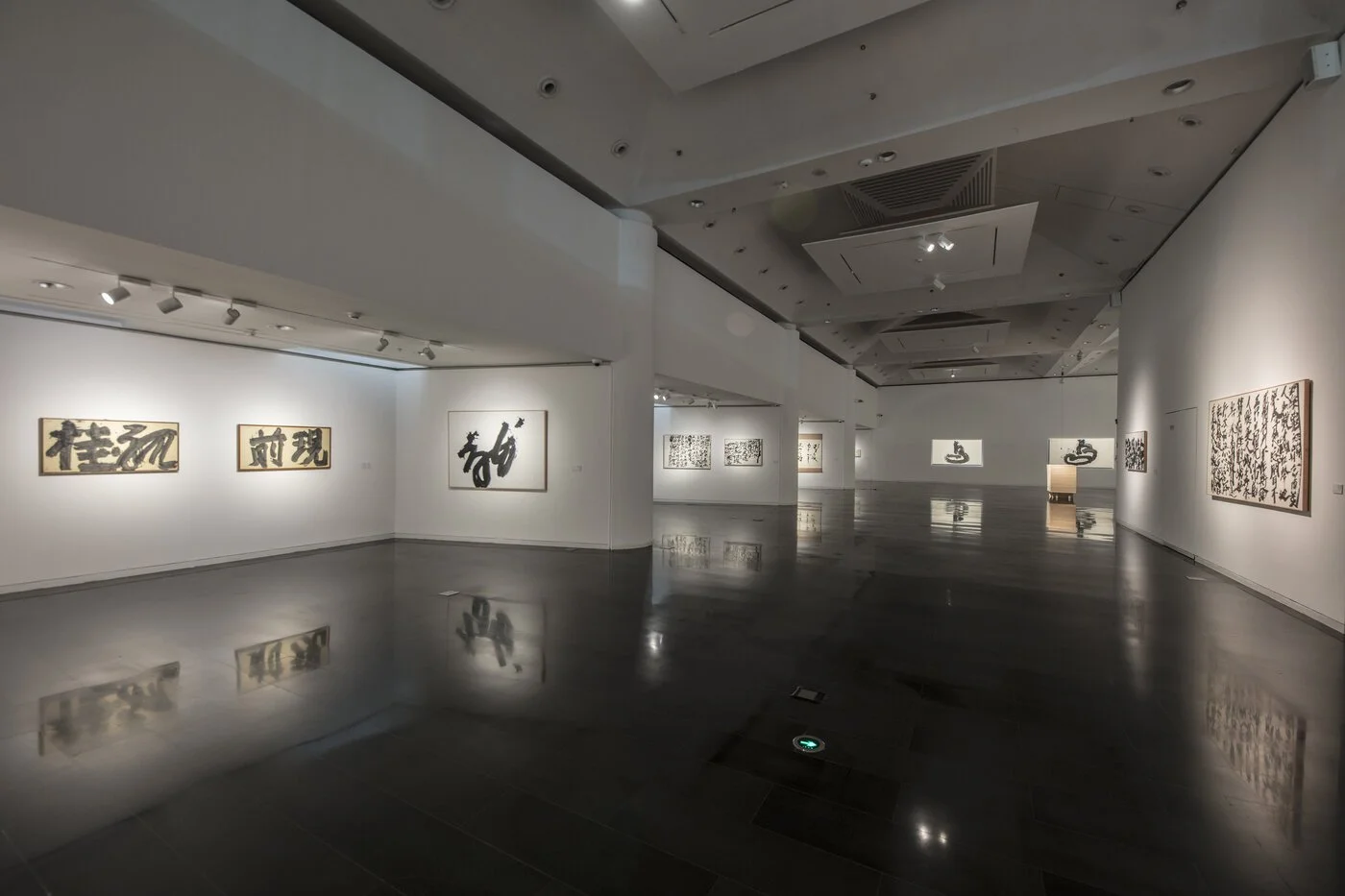
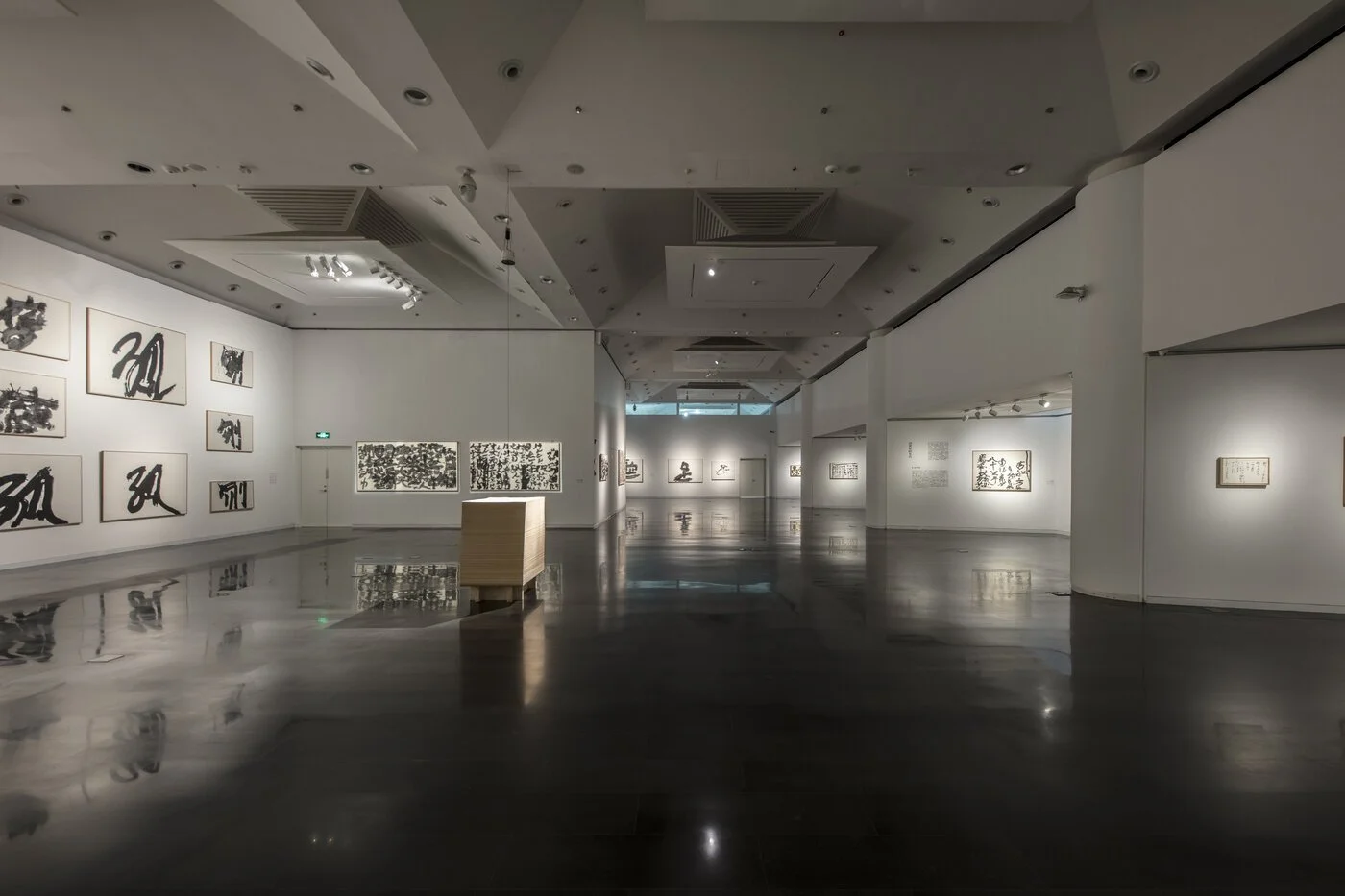
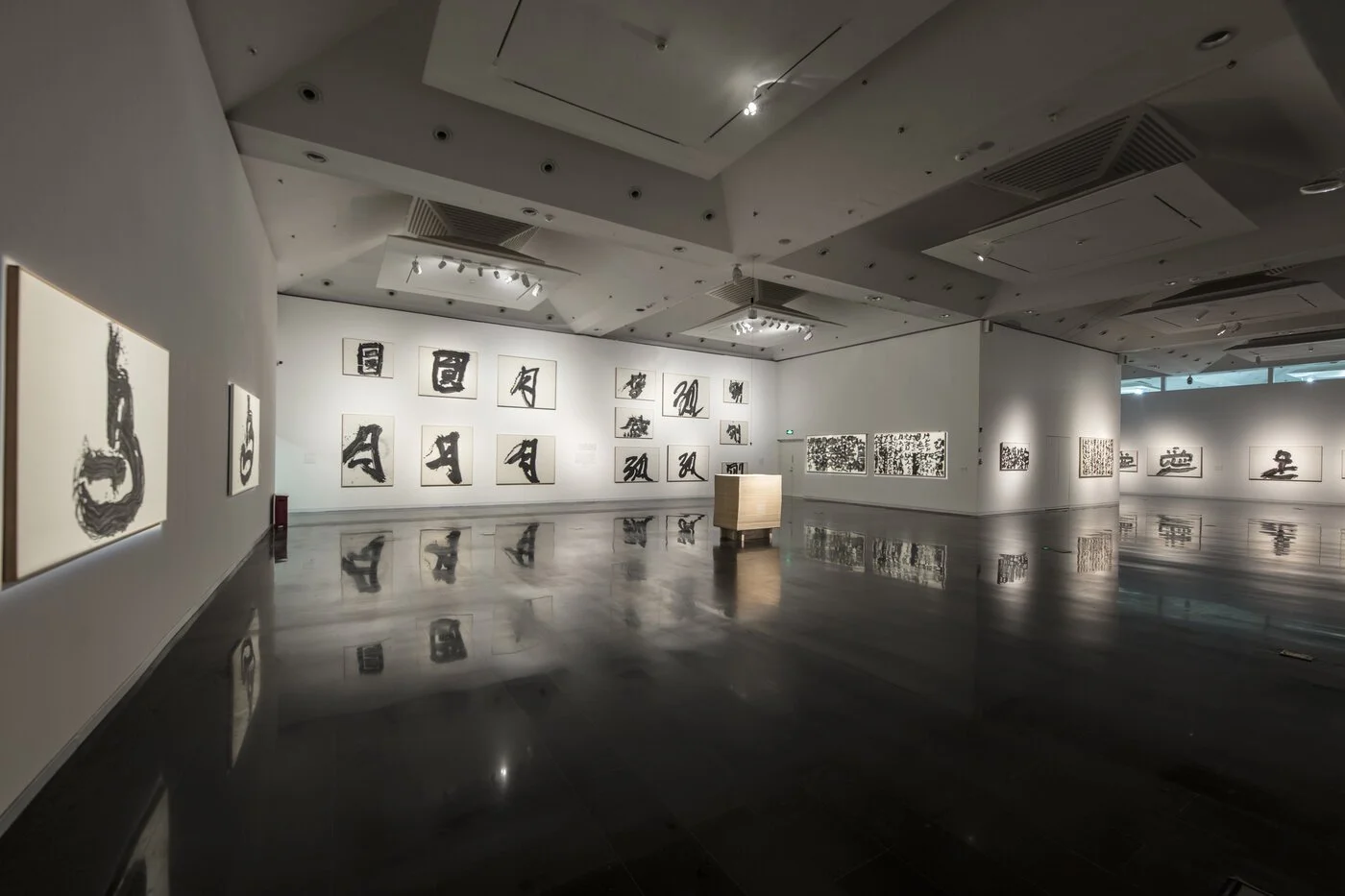
Yu-ichi Inoue: Bell Tolls from Japan / Tsinghua University Art Museum | 20 November 2020 – 28 March 2021 | 112 works. The largest exhibition of Yu-ichi Inoue’s work ever held in mainland China, with Kami Ya’s own Kamimori Foundation taking part as a supporting organisation.
Exhibition Overview
Dates: 20 November 2020 (Fri) – 28 March 2021 (Sun) *Opening ceremony 20 November, 14:00
Venue: Tsinghua University Art Museum, Galleries 7 & 14, 4th Floor (Beijing, China)
Works exhibited: 112
Attendance: 72,100 (avg. 650/day)
Organiser: Tsinghua University Art Museum, Huangshan Art Co., Ltd.
Cooperation: Embassy of Japan in China, China International Exhibition Agency, World Paper Culture Heritage Support Foundation Kamimori (founded by Kami Ya) / Special Cooperation: Yu-ichi Inoue Memorial Foundation
Curator: Su Dan (Deputy Director & Professor, Tsinghua University Art Museum) / Masanori Aoyagi (former Commissioner, Agency for Cultural Affairs; Chairman, Tama Art University) / Yuji Akimoto (Director & Professor, The University Art Museum, Tokyo University of the Arts) / Wei Ligang (Contemporary Calligraphy Artist; Vice Chairman, China Contemporary Calligraphy Art Society)
Artist: Yu-ichi Inoue (1916–1985)
Tour: Shanghai Powerlong Museum, “Ink Abyss — A Retrospective of Yu-ichi Inoue,” 21 May – 29 August 2021
Significance of the Exhibition
The largest Yu-ichi Inoue exhibition ever held in mainland China
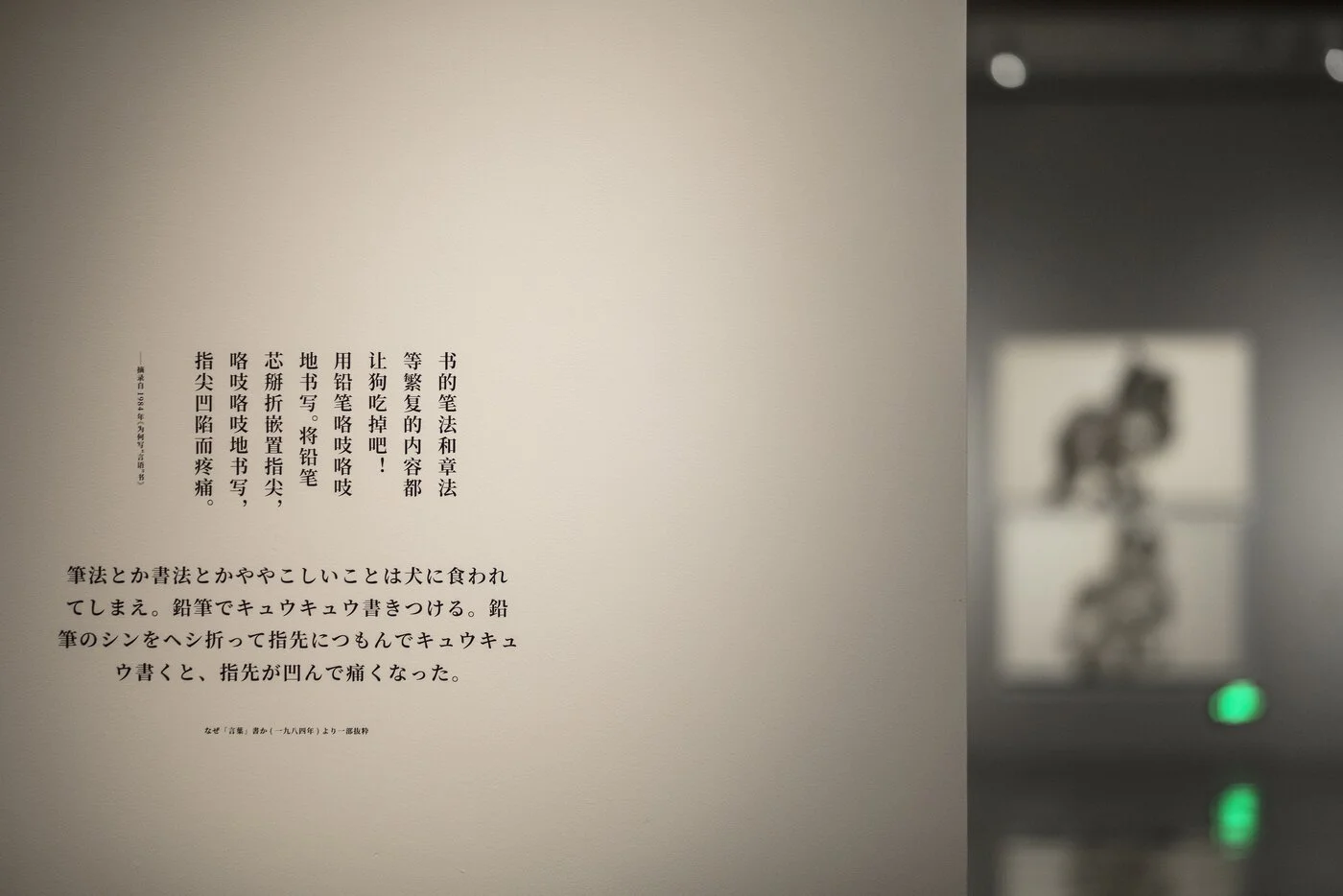
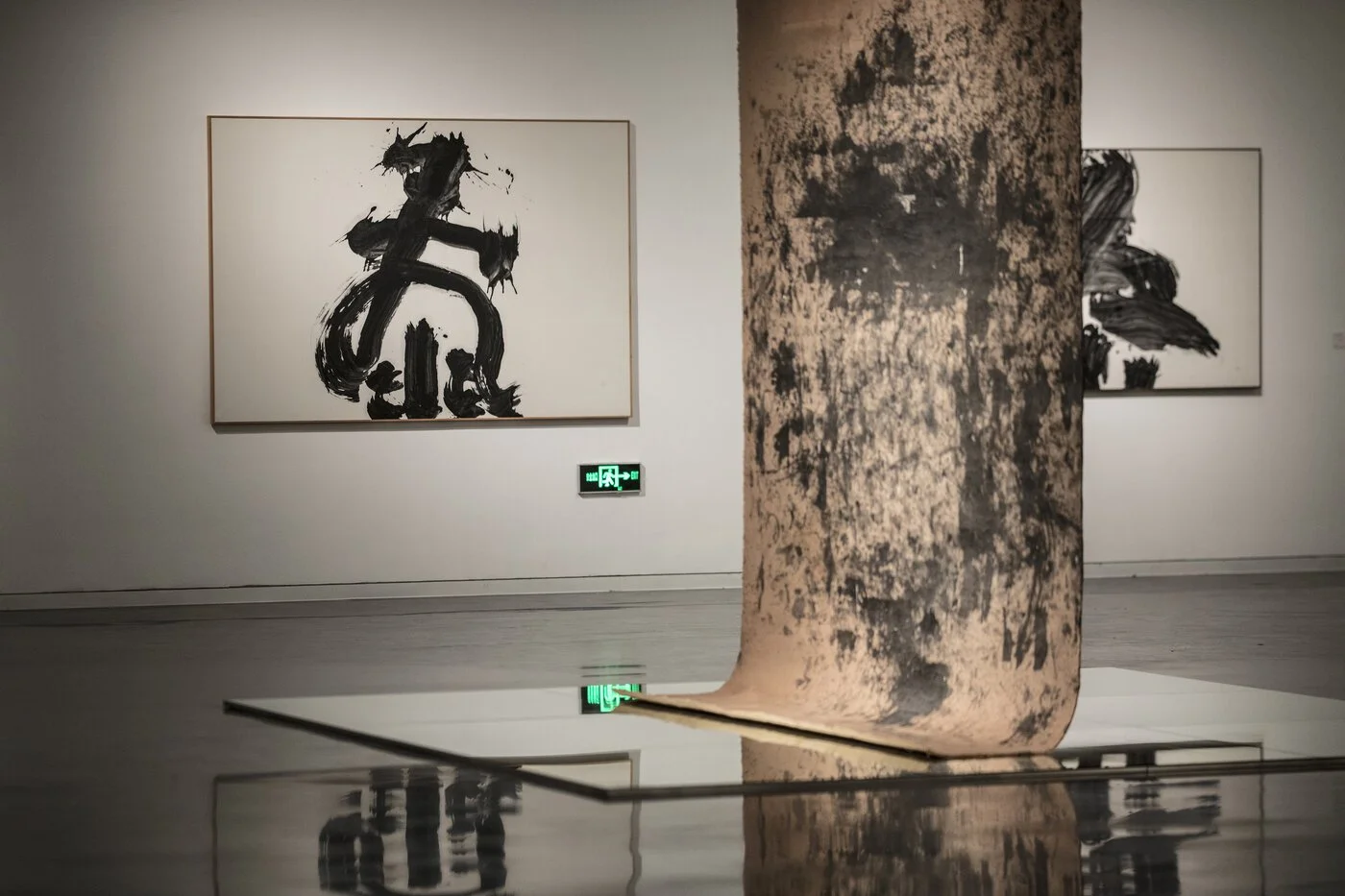
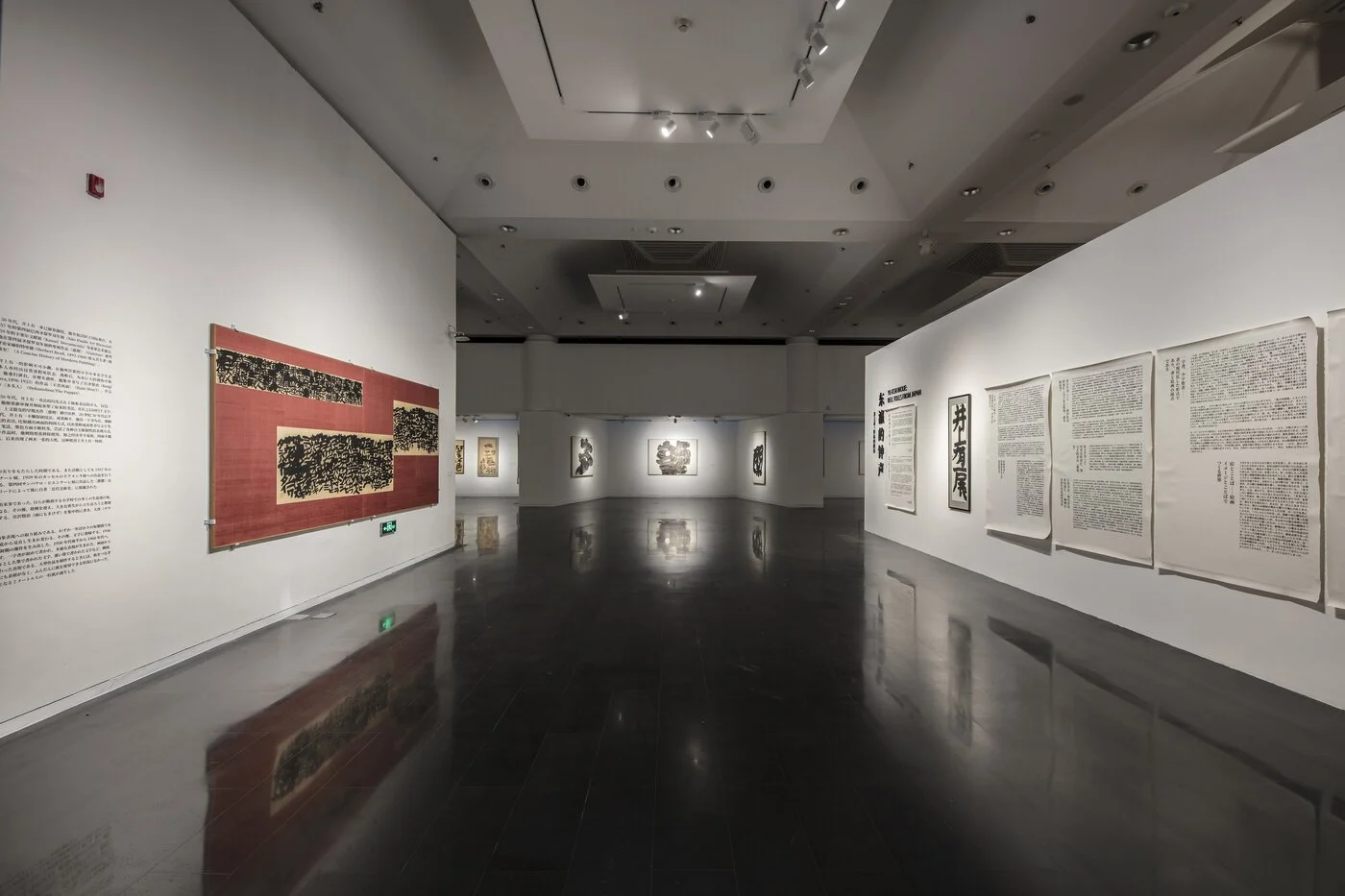
The exhibition report describes this show as the largest exhibition of Yu-ichi Inoue’s work held in China to date. 112 representative works spanning his entire career were organised by production period and script form.
Reception in the Homeland of Kanji
For more than 40 years, Yu-ichi Inoue’s work has influenced Chinese calligraphy as a pioneer of new directions in the art, even in China, the homeland of kanji. This influence extends beyond calligraphy into contemporary art as a whole. The exhibition was organised in response to growing interest within China.
Organised by Single-Character, Multi-Character, and Conté Works
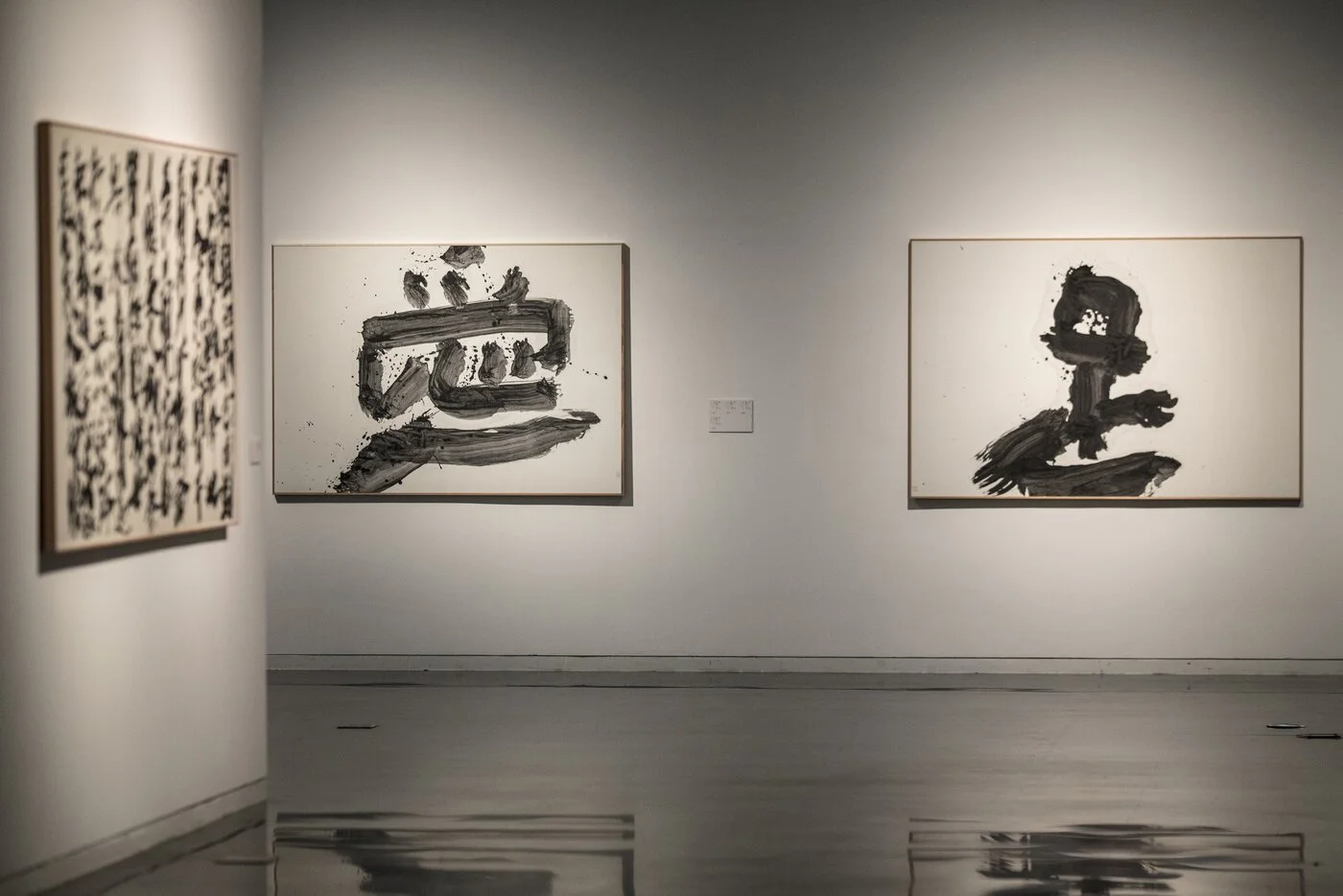
Works representative of each period were classified and presented by format: “single-character works” (ichimonji-sho) with a single kanji brushed onto large paper, “multi-character works” (tamonji-sho) featuring poems and words reflecting thought and philosophy, and “conté works” from his final years, when he replaced the brush with charcoal and conté crayon.
An Academic Symposium Gathering Chinese Researchers
An academic symposium was held at Tsinghua University Art Museum on the opening day, with 13 Chinese scholars of calligraphy and contemporary art speaking. Beyond a simple exhibition of works, it became an occasion to situate Yu-ichi Inoue within Chinese academic discourse.
Selected Works
Nine representative works selected from the checklist of 112 works accompanying the exhibition report. Dates range from 1960 to his final year, 1985, spanning single-character works through conté works.
Gō (Grandeur) 豪, 1960
Frozen ink on paper, 131.2 × 180 cm
Tora (Tiger) 虎, 1963
Ink on paper, 121 × 192 cm
Hana (Flower) 花, 1967
Ink on paper, 146 × 222 cm
Ai (Love) 愛, 1972
Ink on paper, 90.3 × 120.7 cm
Hin (Poverty) 貧, 1976
Ink on paper, 126 × 161.5 cm
Ah, Yokogawa National School 噫横川国民学校, 1978
Ink on paper, 243.5 × 145 cm
Profit Expansion 利潤拡大, 1978
Ink on paper, 96 × 138 cm
Taka (Hawk) 鷹, 1981
Ink on paper, 95 × 142 cm
The Bears of Mt. Nametoko, a tale by Miyazawa Kenji 宮沢賢治童話 なめとこ山の熊, 1985
Charcoal on paper, 49 × 86 cm
Related Programmes
Opening Ceremony & Academic Symposium
Date | 20 November 2020 (Fri), 14:00–18:00
Venue | Tsinghua University Art Museum, 4th Floor Lecture Hall
Organiser | Tsinghua University Art Museum (Academic Research Department)
Academic Chair | Su Dan
Remarks | Su Dan / Du Pengfei / Wei Ligang / Masanori Aoyagi (video message)
In the final session, discussions were held on three themes: “The Purity and Elevation of Yu-ichi Inoue,” “A Comparison of Contemporary Calligraphy and Western Abstract Painting,” and “A Comparison of Traditional and Contemporary Calligraphy in China and Japan.” Wei Ligang, Du Dakai, Liu Zhengcheng, Liu Yanhu, and other Chinese scholars of calligraphy and contemporary art — 13 in total — took part.
About Yu-ichi Inoue
Yu-ichi Inoue (1916–1985) was a leading figure in postwar Japanese contemporary art. Working with paper and ink, he brought calligraphy into the context of contemporary art as a form of individual expression. He continued to produce work throughout a forty-one-year career as a schoolteacher, and was among the very few Japanese artists to gain international recognition at such an early stage.
Installation Views
Photos: courtesy of Tsinghua University Art Museum